Feed your Gut Microbiome
Most likely you already know about the importance of our gut microbiome. Thankfully, there is more and more information coming out every day on just how widespread the influence of a healthy gut biome is. Thanks to a book by husband and wife team and researchers Justin and Erica Sonnenburg, called The Good Gut, I have been taking a crash course in gut bacteria and how it can influence aging, cognitive function, immunity, and even fertility.

Our first exposure to good bacteria is traveling down the birth canal and interacting with our mother’s vaginal biome.
Our gut microbiome originates at birth. As we travel down the vaginal canal of our mothers, we pick up all her good bacteria. After this, her breast milk helps to continue the process of building the microbiome in our intestines. If we are exposed to antibiotics in infancy or childhood that will decrease our gut bacteria significantly. But did you know that we also must feed our gut bacteria? And guess what they love to eat? FIBER. That’s right, fruits and veggies and whole grains.
This has been on my mind because we have all been focused lately on trying to up our protein, especially those of us who are in peri-menopause or menopause and are losing a significant amount of lean muscle every day. However, we don’t want the increase in protein to sacrifice fruits and veggies that will feed our gut bacteria. With a well populated and diverse gut biome, our bodies are able to function at their best. Our gut bacteria can actually strengthen our immune system and protect us from colds and flus. There was a study done at a daycare in CA where they gave half the children a probiotic drink every day for 90 days. The other group got a placebo drink without probiotics. The former group at the end of the 90 days had significantly fewer upper respiratory infections, fewer need for antibiotics, and fewer instanced of stomach or intestinal upset.
How does gut bacteria help defend against cold and flus? It could be that the gut bacteria helps to discern which invading cells need to be fought and which don’t, thereby also helping to decrease the instances of auto-immune illnesses.
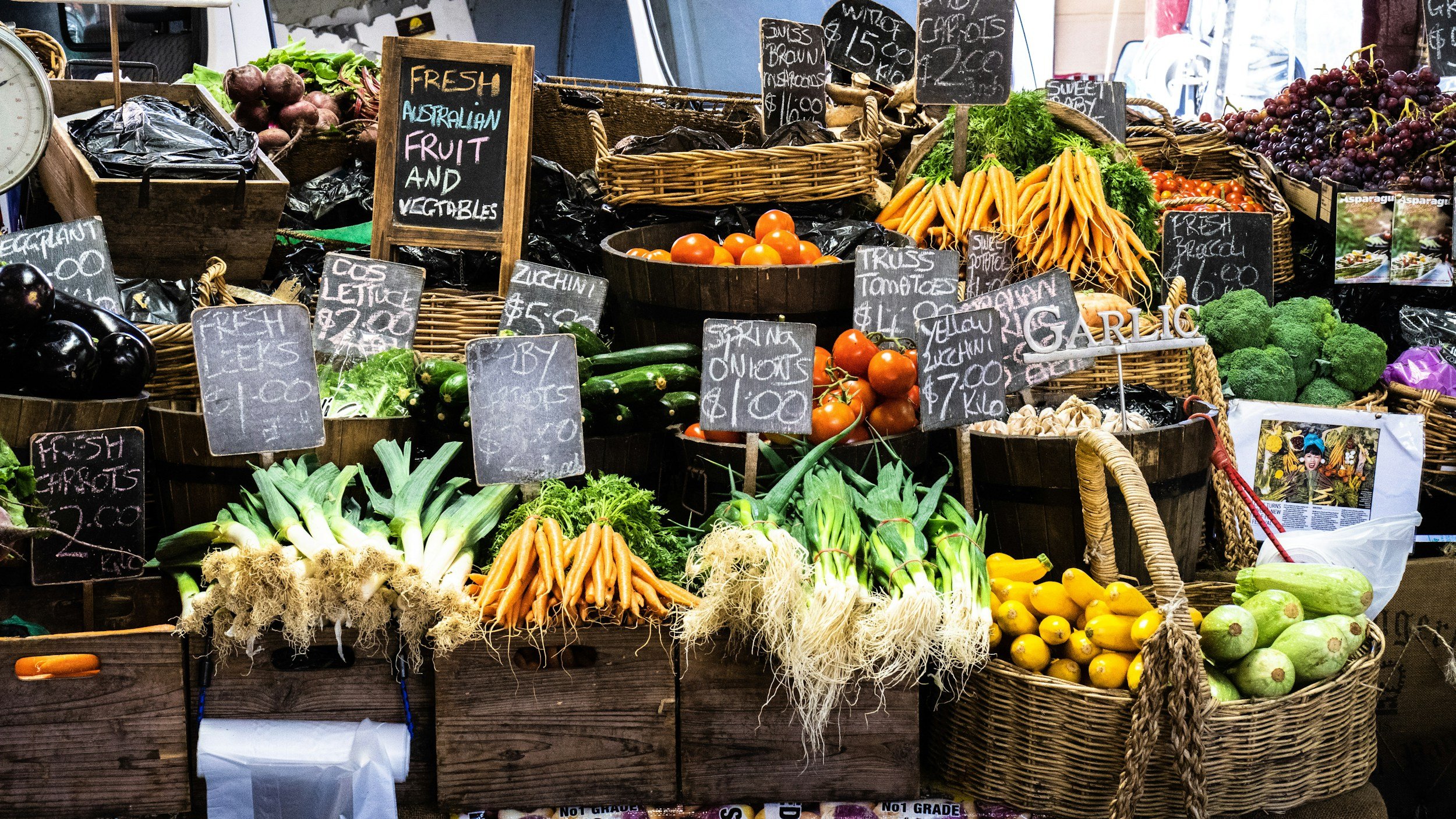
We need at least 30g of fiber every day. An apple has 4g.
We also want to increase the diversity of our gut microbiome. Sadly, the American microbiome is one of the least diverse in the world. We have around half the diversity in population of bacteria as compared to populations in Asia and Africa. We also eat only 1/3 of the fiber that other populations around the world consume. The daily allowance of fiber in the US is only 20g, whereas some African populations regularly consume 3 or 4 times that amount every day. They also have much lower rates of colon cancer than Americans, hardly a coincidence.
In my house during this cold and flu season, we have recommitted to consumption of probiotics in the form of fermented foods and also the feeding of these good bacteria in the forms of vegetable and fruit fiber, also called pre-biotics. Some ideas are oatmeal for breakfast with various nuts and seeds, flax seed, chocolate chia seed pudding, and berries on top, with a glass of veggie smoothie. For lunch we all have 1/2 cup of sauerkraut (I don’t love the taste but I am teaching my kids you don’t have to love how it tastes, but you love how it makes you feel), with whatever protein we are having as well as veggies with hummus and a glass of kombucha. Dinner has always been a protein with 2-4 veggies and a salad.
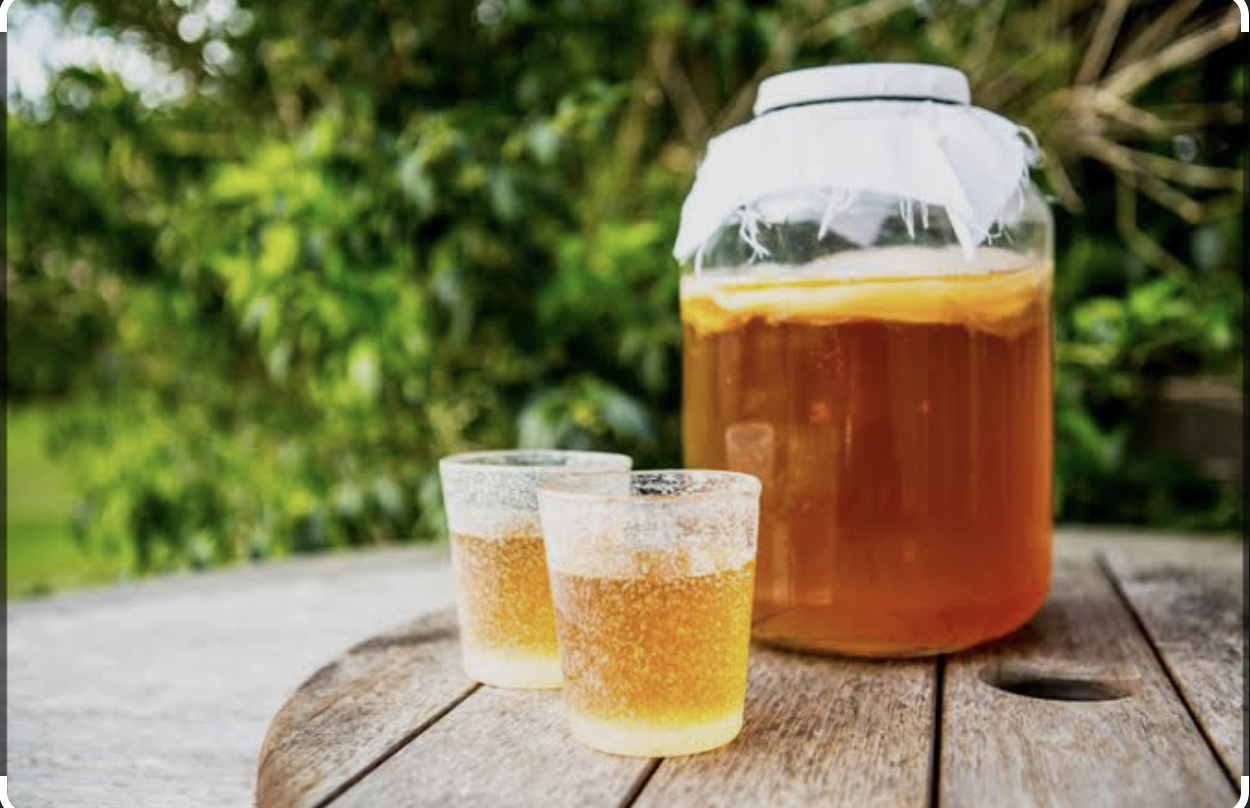
Homebrewed Kombucha is a delicious nondairy fermented food, filled with probiotics
Dairy doesn’t sit well with me so we are brewing our own kombucha which has been a fun activity with the kids AND helped increase our gut biome diversity. For my daughter the sour taste of the fermented foods is an adjustment but we are starting small with just a tsp of sauerkraut per day, but after a week, she is up to a whole TBSP. Kids just need to get used to that sour taste slowly but as always, if they see us eating it, they are more likely to join in. She loves the taste of kombucha! If anyone in Chicago would like a SCOBY to try brewing your own kombucha, email me and I am happy to give you part of ours as it grows! I also love this tutorial on making kombucha at home. We also take probiotics, but with fermented food, we are more certain of the bacteria present in them (that’s what gives kombucha it’s fizz) and it’s a much broader range of bacteria.
Studies have shown that a diverse gut microbiome can protect us from inflammation which becomes more and more prevalent as we age, also called inflammaging. Some researchers consider almost all age related health problems to be attributed to inflammation. Another reason to eat more fermented foods and lots of fiber. Mood is another aspect of our health that a diverse and well populated microbiome can help boost and maintain. In addition, studies found that certain gut bacteria could protect people from obesity and diabetes, compared to others who had the same diet, but not the same bacteria.
With all these benefits why would we not make small adjustments and add a little sauerkraut to our day? Give it a try and see if you feel better. If not, you can set it aside. But if you do notice a change, make it part of your daily routine. If we are not actively propelling our health journey forward every day, we are moving in the opposite direction. Happy brewing!